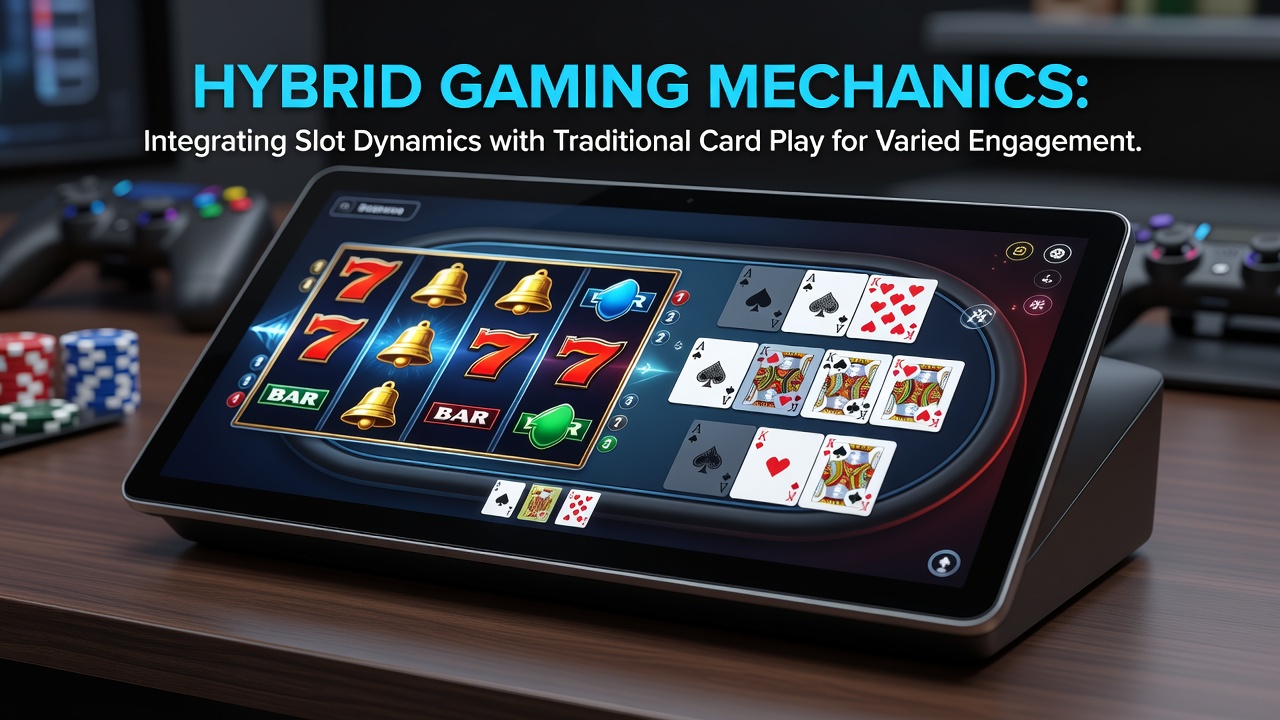
Hybrid Approaches in Casino Gaming: Merging Slot Randomness and Card Skill Elements
Hybrid gaming mechanics combine the random number generation found in slot machines with the decision-making structure of traditional card games, creating formats that alternate between automated spins and player choices during each round. These designs often appear in online platforms where reels determine card draws or bonus triggers activate poker-style rounds, allowing participants to experience both chance-based progression and strategic elements within a single session.
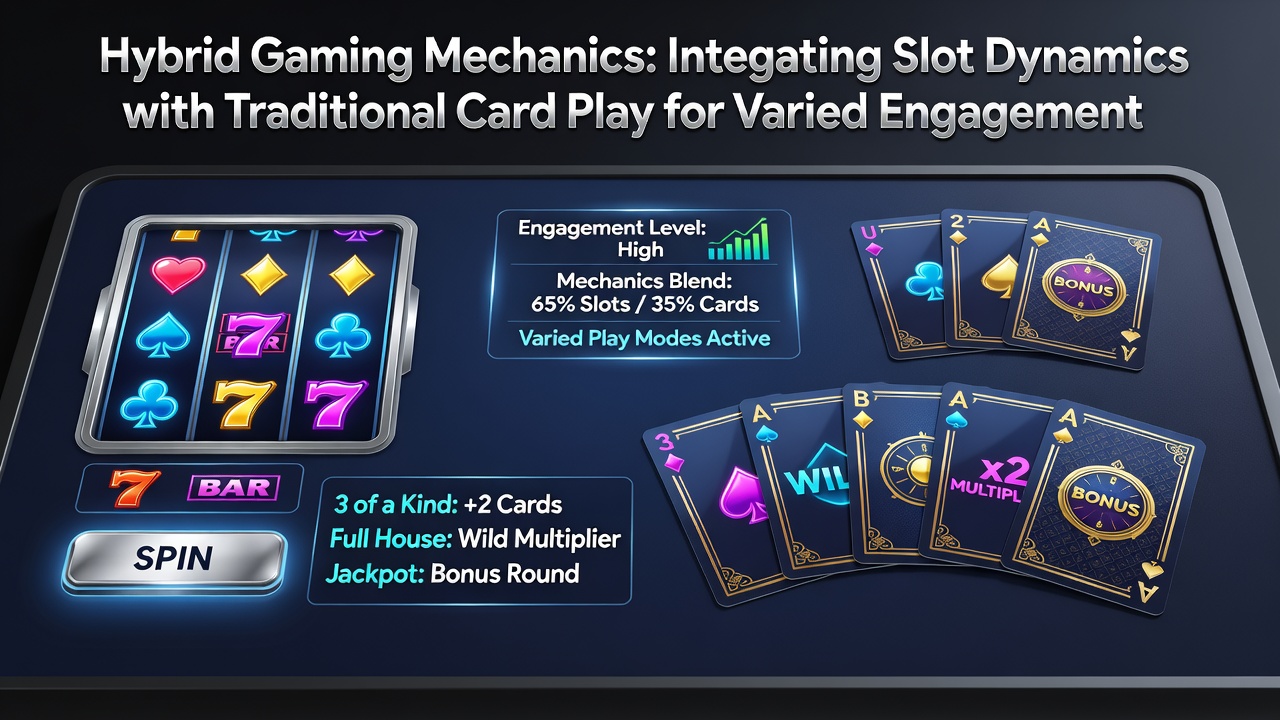
Developers integrate these systems by linking slot outcomes directly to card mechanics, such as using reel symbols to form poker hands or triggering multi-card draws after specific combinations land. Data from industry reports shows increased adoption of these formats across multiple jurisdictions since the early 2020s, with participation rates rising as platforms expand their libraries to include titles that blend the two styles.
Core Components of Hybrid Designs
Slot dynamics typically rely on random reels, paylines, and volatility levels that dictate payout frequency and size, while card play introduces elements like hand ranking, betting decisions, and opponent modeling in variants such as blackjack or poker. When merged, the hybrid structure uses reel results to populate card tables or applies card-based multipliers to slot wins, which extends engagement periods according to session tracking studies conducted by research institutions in North America.
One common implementation places a five-reel slot base that occasionally shifts into a hold-and-draw card sequence, where players select which symbols to retain before a final spin resolves the outcome. This alternation keeps the pace varied, as short spin cycles give way to longer decision phases that mirror live card table rhythms without requiring physical dealers.
Regional Developments Through 2026
By September 2026, several North American gaming authorities had updated licensing frameworks to accommodate hybrid products, permitting operators to offer titles that meet both slot and table game classification standards under unified rules. Figures from the Nevada Gaming Control Board indicate steady growth in hybrid machine deployments at licensed venues, reflecting adjustments to accommodate player preferences for mixed mechanics.
Similar patterns emerged in Australian markets where state regulators reviewed integration standards for digital hybrids, focusing on how random number generators interface with card resolution algorithms. Industry associations documented these changes through annual reports that tracked software approvals and compliance testing timelines across different provinces and states.
Player Interaction Patterns
Observers note that participants often alternate between passive reel watching and active card selection within the same game cycle, which researchers link to sustained attention spans in controlled environment tests. Session data collected by academic groups at the University of Nevada shows that hybrids can extend average play duration compared to standalone slots or pure card simulations, because the dual structure provides built-in variety without requiring users to switch between separate applications.
Examples include games where a base slot round builds a community card pool that feeds into a Texas Hold'em resolution phase, or blackjack variants that incorporate scatter-triggered free spins affecting hand totals. These mechanics require clear rule disclosure so that players understand when random elements override choices and when decisions influence final results.
Technical Integration Methods
Software providers achieve integration through shared random number generators that feed both reel positions and card shuffles from the same seed pool, ensuring consistent probability distribution across both layers. This approach allows developers to calibrate volatility so that slot streaks influence card round frequency, while card outcomes feed back into reel bonus meters.
Testing protocols established by European gaming laboratories verify that hybrid RNG outputs remain independent yet thematically linked, preventing any single mechanic from dominating probability calculations. Reports from these labs detail certification processes that examine thousands of simulated rounds to confirm balanced contribution from each component.
Conclusion
Hybrid gaming formats continue to evolve as developers refine the balance between automated spins and card-based choices, supported by regulatory updates and technical standards across multiple regions. Data collected through 2026 demonstrates measurable shifts in how these combined systems operate within licensed environments, with ongoing reviews by industry organizations and academic researchers tracking their implementation and performance metrics.